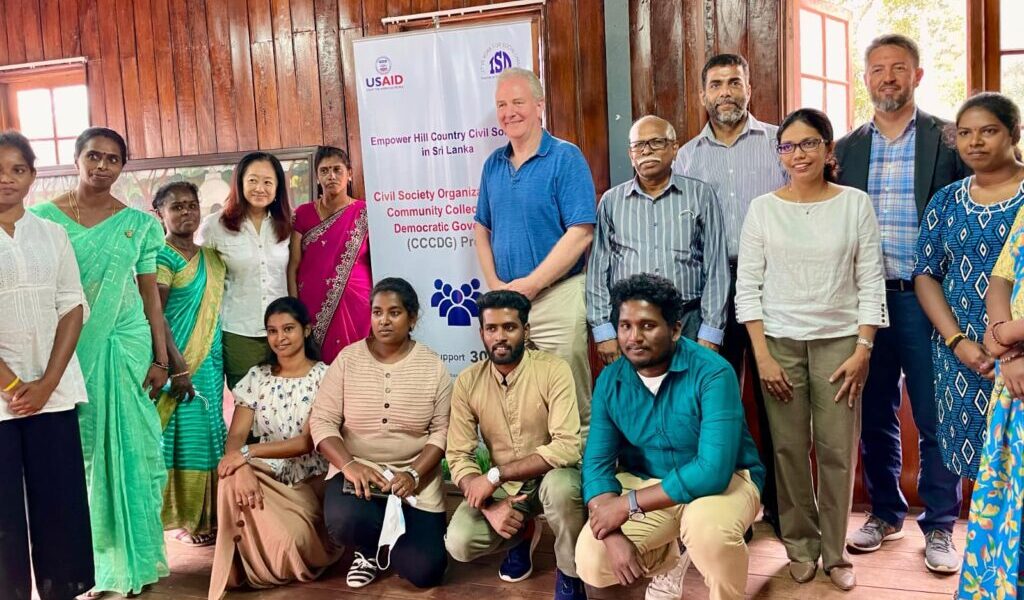
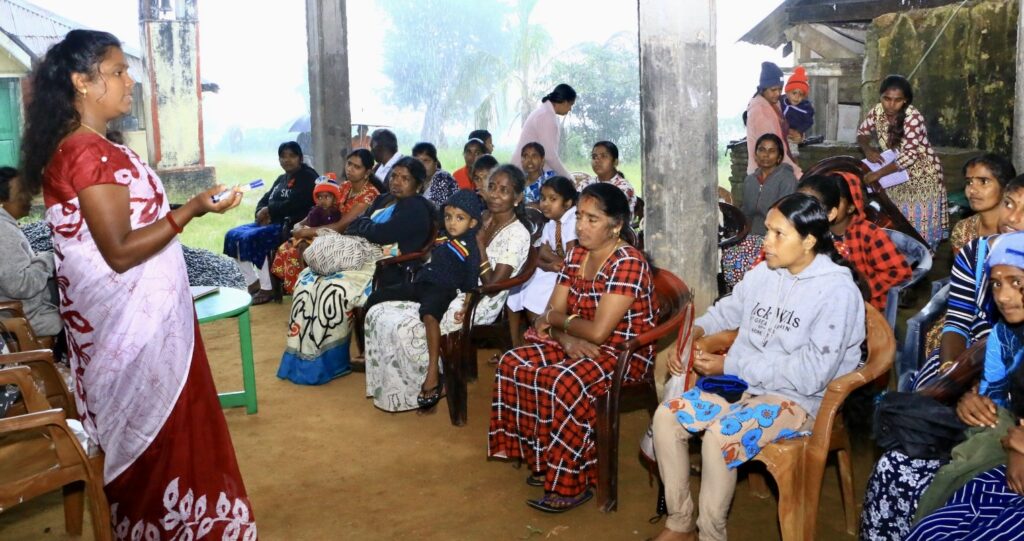
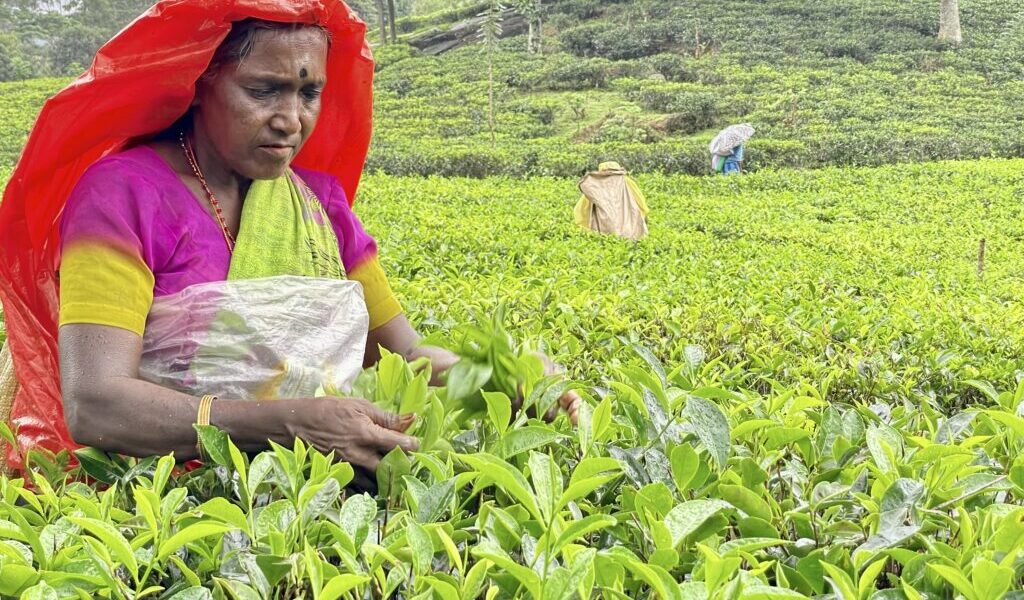
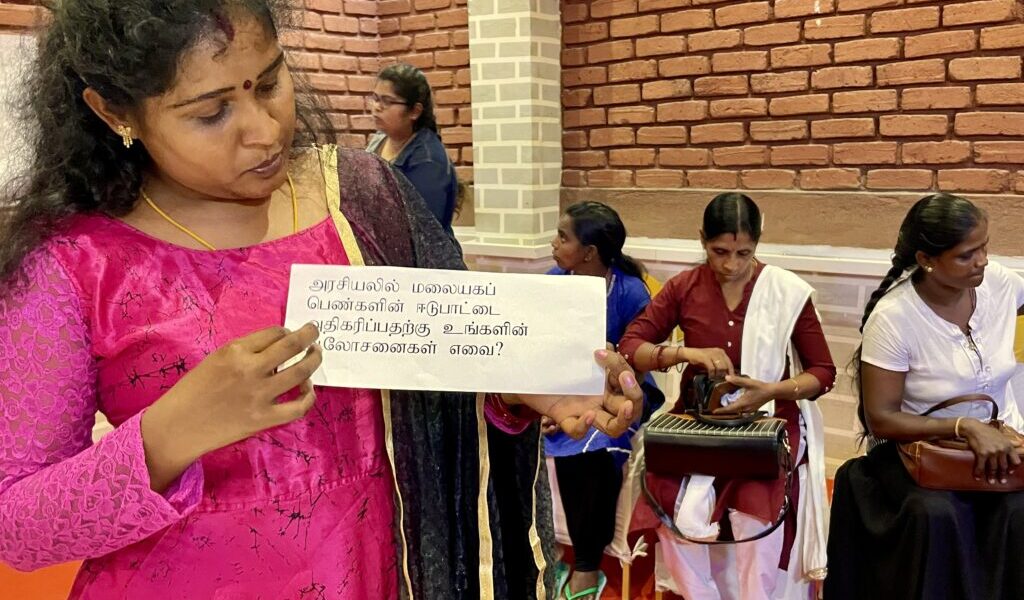
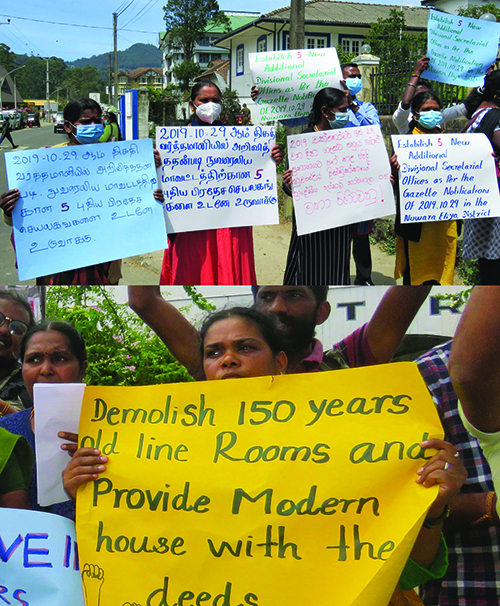
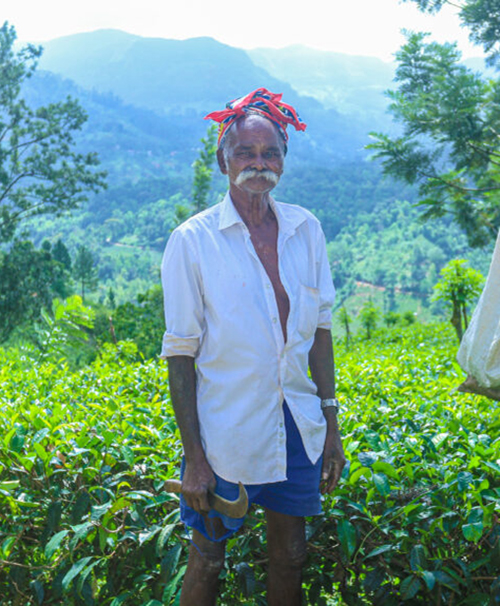
The Plantation community in Sri Lanka has been historically marginalized for generations. Institute of Social Development (ISD), who lobbies and advocates for the equitable rights and justice of the plantation community since 1991, identifies the structural discrimination amongst the plantation population, and the limited space for them to claim their rights. To counter this long-lasting injustice, ISD, through the “CSOs and Community Collectives for Democratic Governance (CCCDG) project”, intends to strengthen civil society organizations (CSOs) in the plantation sector to address human rights, legal reforms, policy, development, and democratic governance issues through collective actions and advocacy.
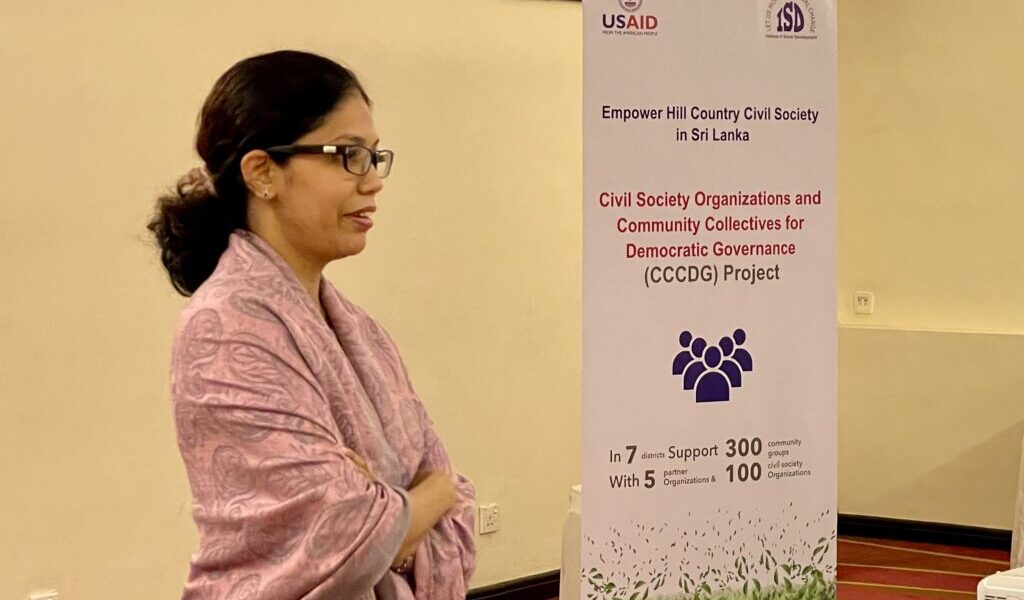
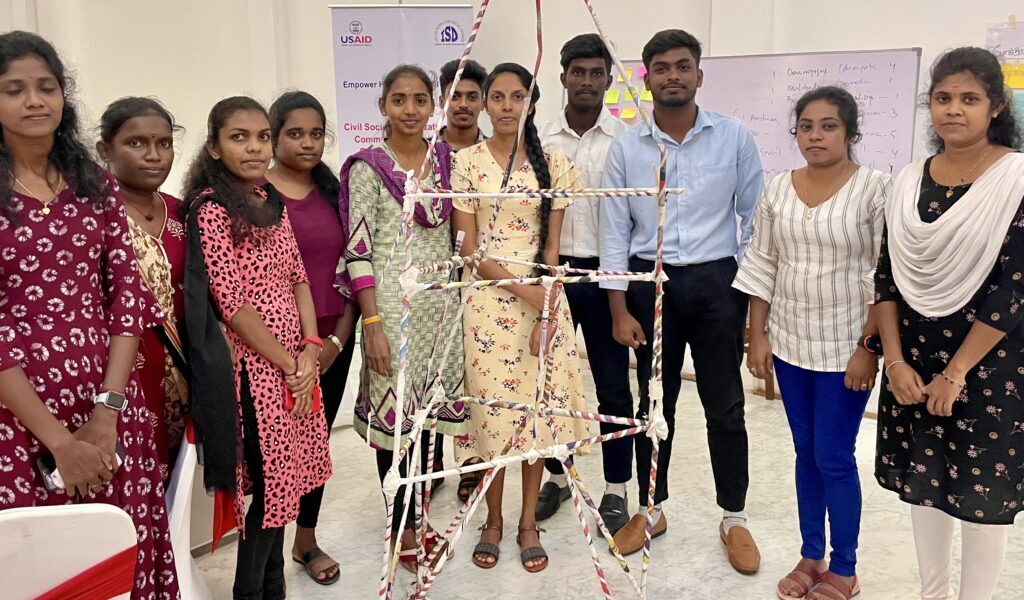
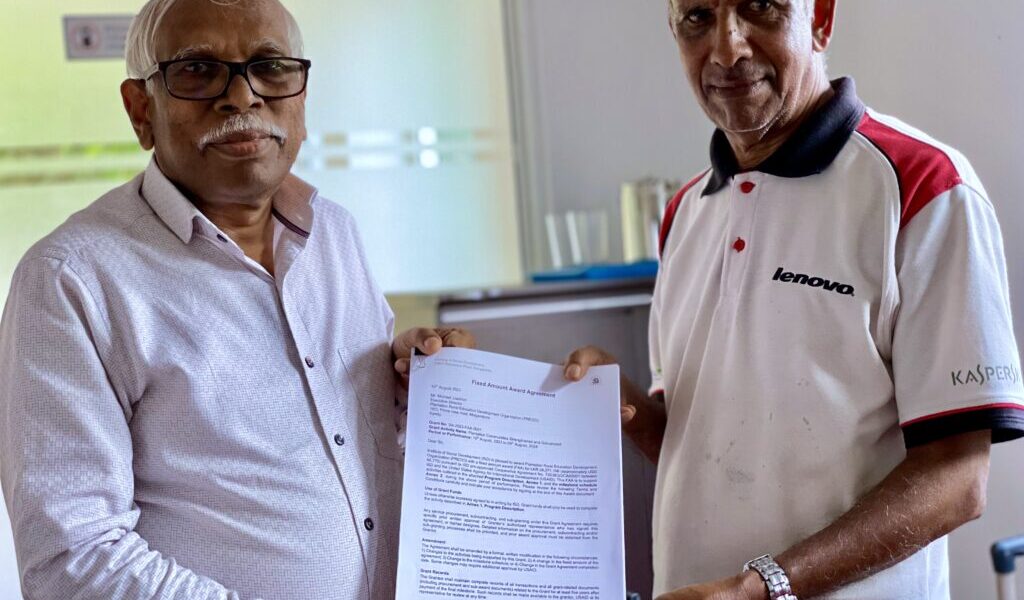
This five-year project commenced in June 2023 and is made possible by the United States Agency for International Development (USAID). The CCCDG project will directly support an average of 300 community groups in the plantation sector, implementing project activities through five partner organizations and 100 CSOs across seven districts in the Uva, Central, and Sabaragamuwa provinces of Sri Lanka. Through this approach, we firmly believe civil society provides an arena to channel societal forces and drive the social and institutional changes necessary for the transition toward increased resilience.
Overall Objectives
The overall purpose of this project is to create more informed and active public participation. The specific objective aim to
- expand civil society space by promoting citizen and government engagement
- support civil society capacity building and networking space for collective actions at the national and regional level
- increase civil society support for more inclusive, sustainable democratic and economic governance.
 Together, We Can Turn Change Into Lasting Impact