The outbreak of COVID- 19 was declared a public health emergency of international concern on 30th January 2020, by the World Health Organization (WHO). Following the escalating development of the situation, on 11th March 2020, the WHO Director-General declared the outbreak a pandemic. The impact of the pandemic was widespread, ranging from economic to social. The OECD Economic Outlook March 2020 reported a 0.5% drop in global GDP growth rate for 2020 to 2.4% due to the coronavirus outbreak. It observed that a long lasting and more intensive outbreak could slow global growth to 1.5%. The International Labour Organisation (ILO) estimates suggested a significant rise in global unemployment of about 24.7 million. Further, a new report published on 7th April mentioned “As of 1st April 2020, the ILO’s new global estimates indicated that working hours would decline by 6.7% in the second quarter of 2020, which was to be equivalent to 195 million full-time workers.” Sri Lanka set an example with its timely and proactive response to the global pandemic despite being a low and middle-income country. Broadly, Sri Lanka implemented a “whole-of-government and whole-of-society” approach as a response advocated by the World Health Organization (Exit strategy of COVID-19 epidemic in Sri Lanka April 15, 2020)
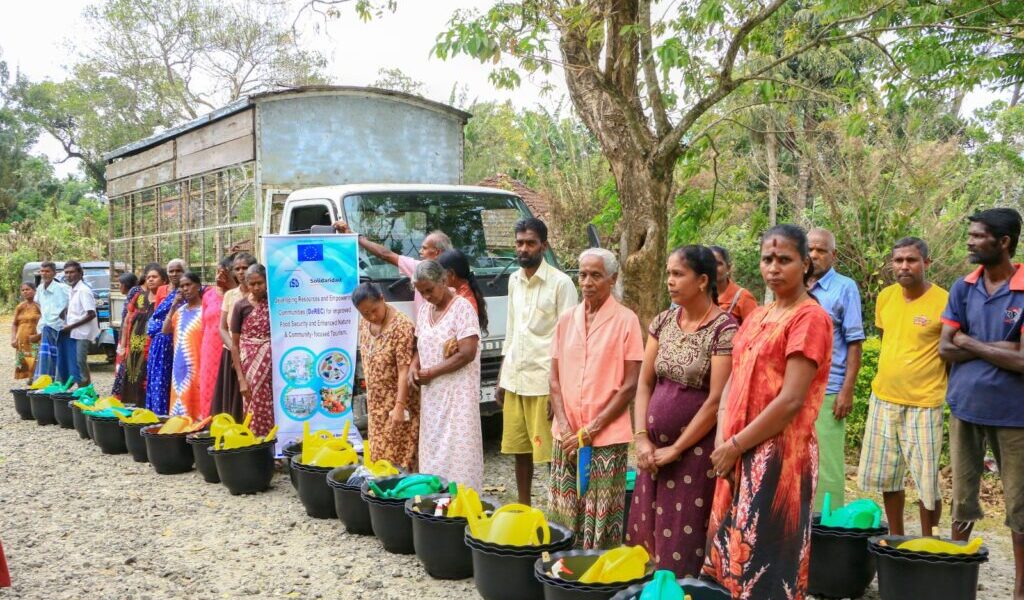
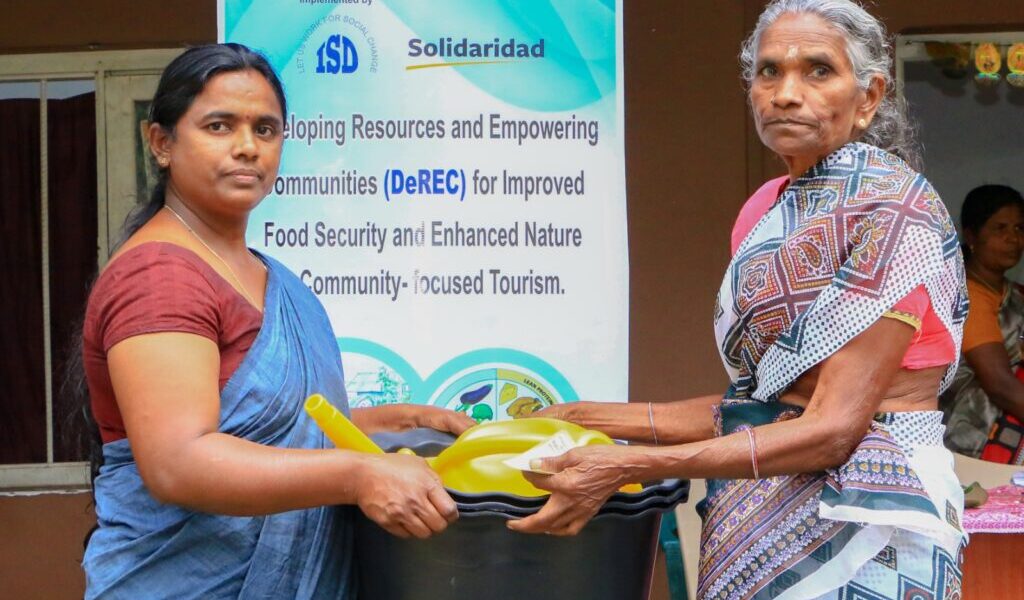
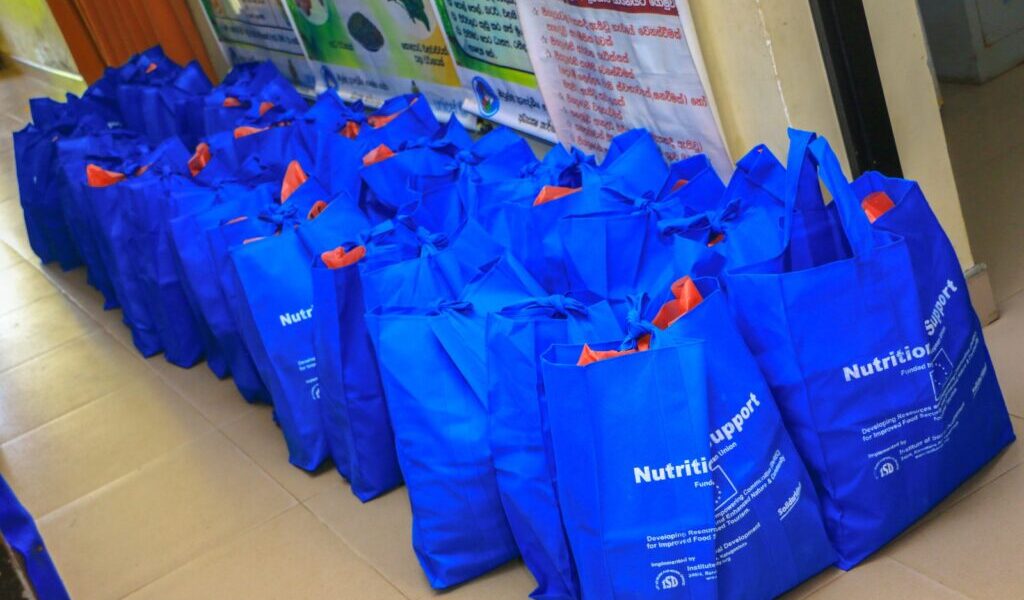
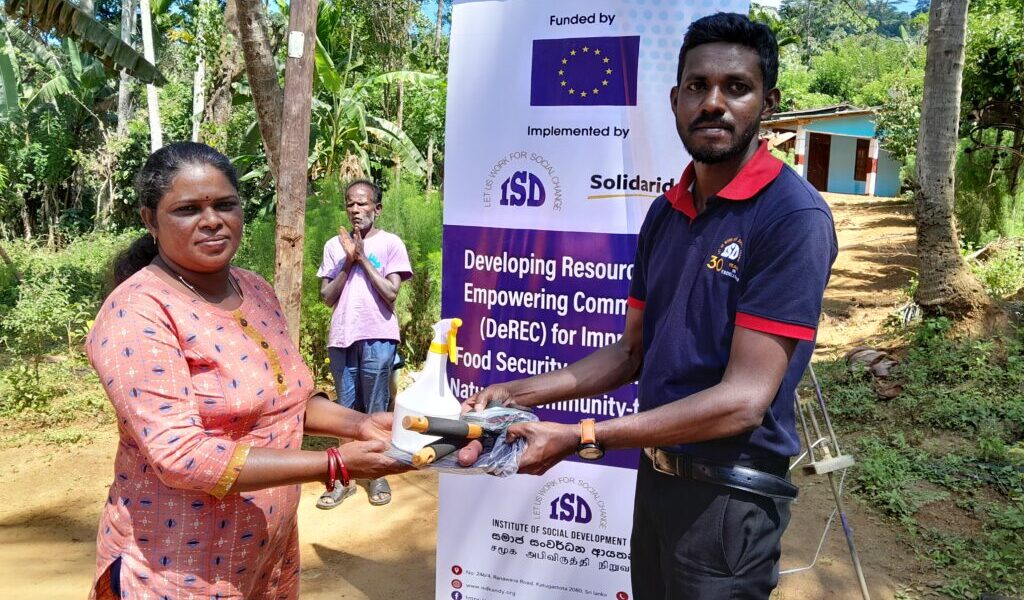
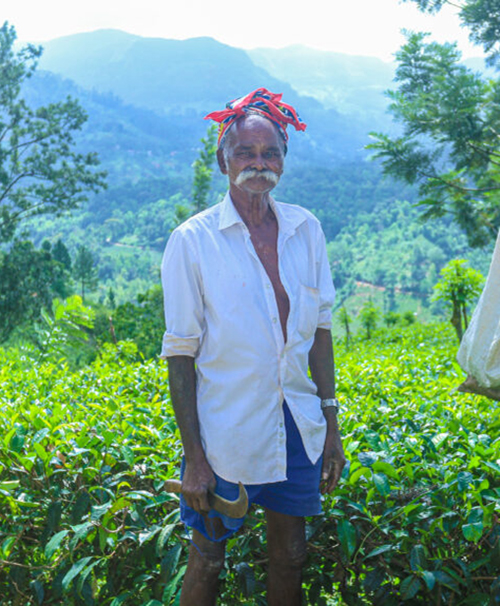
Sri Lanka recorded its first case of COVID-19 on 27th January 2020. Since then, as of 30th April 2022, Sri Lanka had reported 664,000 confirmed cases and 16,509 deaths. Although the marginalized plantation communities did not physically lose their lives on a major scale due to the COVID outbreak, the social and economic conditions drastically weighed on them, even though the plantation workers were asked to continue their work during the COVID-affected period to earn foreign income. At the same time, the plantation residents who worked in the cities and the townships returned to the estates during the COVID pandemic period. The return of the workers to the estate doubled the economic burden. This overburden increased malnutrition among children, lactating and pregnant mothers and children and school dropouts alarmingly increased. Taking into consideration the COVID pandemic impact, ISD intends to improve the nutrition of children, CDC, schools, and lactating and pregnant mothers by providing mid-day meals, nutrition packs, and home gardening facilities to families in selected Estates and villages.
 Together, We Can Turn Change Into Lasting Impact